
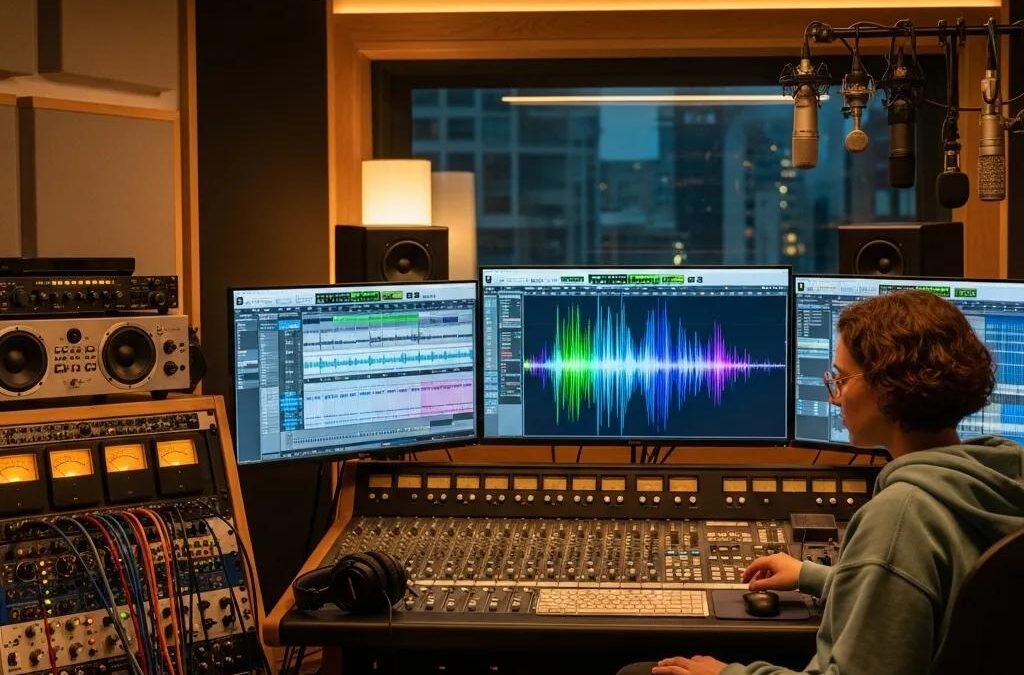
Mastering TV Sound Design and Audio Branding by Sound Branding Ideas
Why Is Sound Design Crucial in Television Commercials?
- It draws attention when viewers glance away from the screen during busy programming.
- It sculpts emotional arcs that prime audiences for the call to action.
- It embeds unique sonic markers that speed brand recognition across spots and platforms.
How Does Sound Enhance Emotional Impact and Brand Recall?
What Roles Do Music, Voice-Over, and Sound Effects Play in TV Ads?
How Does Music Influence TV Advertising Effectiveness?

| Music Format | Typical Length | Effect on Recall / Emotion |
|---|---|---|
| Jingle / Audio Logo | 3–10 seconds | High immediate recall and strong brand association when simple and repetitive |
| Musical Underscore | 15–60 seconds | Shapes narrative emotion and pacing; supports brand tone without overt branding |
| Licensed Track | 15–60 seconds | Delivers instant cultural cues but can distract unless integrated carefully |
| Original Score | 15–60 seconds | Tailored emotional journey; higher production cost but stronger long-term brand fit |
- Short melodic hooks strongly correlate with ad recognition in post-exposure tests.
- Underscore aligned to on-screen tempo increases perceived coherence and watch-through.
- Takeaway: prioritize simplicity and repetition for brand hooks; use underscore to sustain emotion without competing with voiceover.
What Is the Impact of Jingles and Musical Scores on Brand Recognition?
How Do Emotional Music Cues Drive Consumer Engagement?
What Are Best Practices for Voiceovers in Television Commercials?
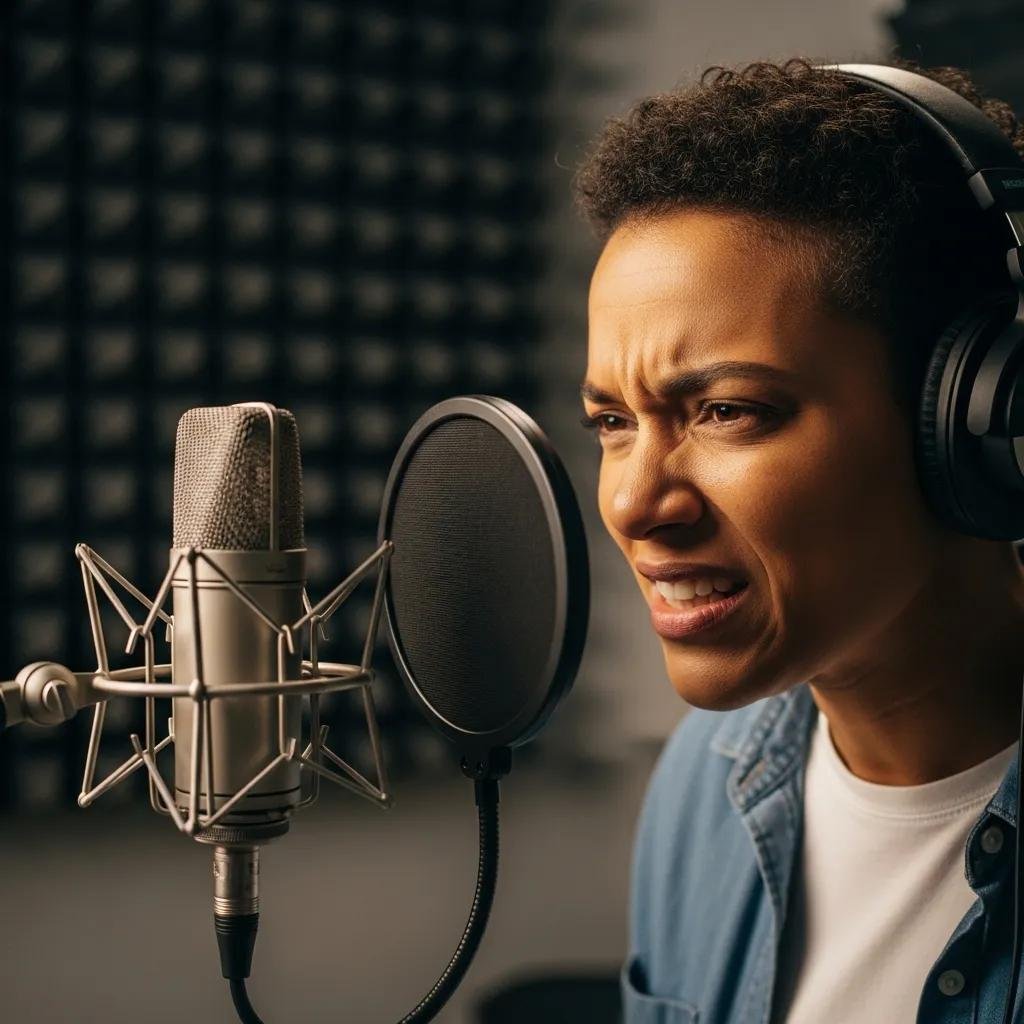
- Choose a voice whose tone and cadence reflect your brand persona and audience.
- Write short, benefit-focused copy that syncs with visual beats and music cues.
- Direct for natural phrasing and controlled breaths to preserve intelligibility in the mix.
- Record alternate takes for pacing and delivery options to support editorial flexibility.
How to Choose the Right Voice Talent for Your Brand?
What Scriptwriting and Voice Acting Techniques Enhance Brand Messaging?
- Tight headline
- Single benefit statement
- Concrete example
- Clear CTA
- Timing markers
How to Develop Effective Audio Branding for Television Ads?
- A short audio logo or jingle in multiple keys and lengths for different spot durations.
- A sonic palette of motifs and background textures that express the brand’s emotional range.
- Voice guidelines specifying preferred timbre, pacing, and sample reads for casting.
- Usage rules detailing loudness targets, intro/outro edits, and platform variants.
What Are the Key Elements of a Sonic Brand Identity?
- Logo in multiple lengths
- Stems for flexible mixing
- Voice reference tracks
- Documentation
How to Ensure Consistent Sound Across Multiple Platforms?
What Is the Audio Post-Production Process for TV Commercials?
| Post-Production Phase | Key Task | Broadcast Requirement / Setting |
|---|---|---|
| Dialogue Editing | Noise reduction, de-essing, timing | Clean dialogue tracks; low noise floor; stems for ADR if required |
| Sound Design & SFX | Foley placement and scene polish | Balanced SFX stems; avoid masking speech |
| Music Mix & Balance | Levels, EQ, dynamic automation | LUFS target, stereo image,, and vocal intelligibility |
| Mastering & Delivery | Loudness normalization and file export | Deliver broadcast-ready stems, stereo master, and required codecs |
- Prepare a brief with creative intent and target loudness.
- Record voice-overs with reference tones and multiple takes.
- Edit dialogue and assemble stems for music, VO, and SFX.
- Mix to platform LUFS targets and export required formats.
Which Techniques Are Used in Mixing and Mastering for Broadcast?
How Do Dialogue Editing and Sound Sweetening Improve Commercial Quality?
How Can You Measure the Effectiveness of Sound in TV Advertising?
| Metric | Measurement Method | Business Value |
|---|---|---|
| Brand Recall | Survey/recognition tests | Signals long-term memory encoding and higher purchase likelihood |
| Ad Recall Lift | Control vs. exposed group A/B test | Demonstrates creative effectiveness and supports budget decisions |
| Emotional Response | Biometric or self-report scales | Correlates with engagement and propensity to act |
| Engagement | View-through rates, clicks, secondary actions | Connects audio choices to immediate behavior |
- Run controlled A/B tests that change only the audio element to isolate sound effects.
- Use short recall surveys 24–72 hours after exposure to measure immediate memory.
- Use biometric tests selectively to validate emotional-cue hypotheses before scaling.