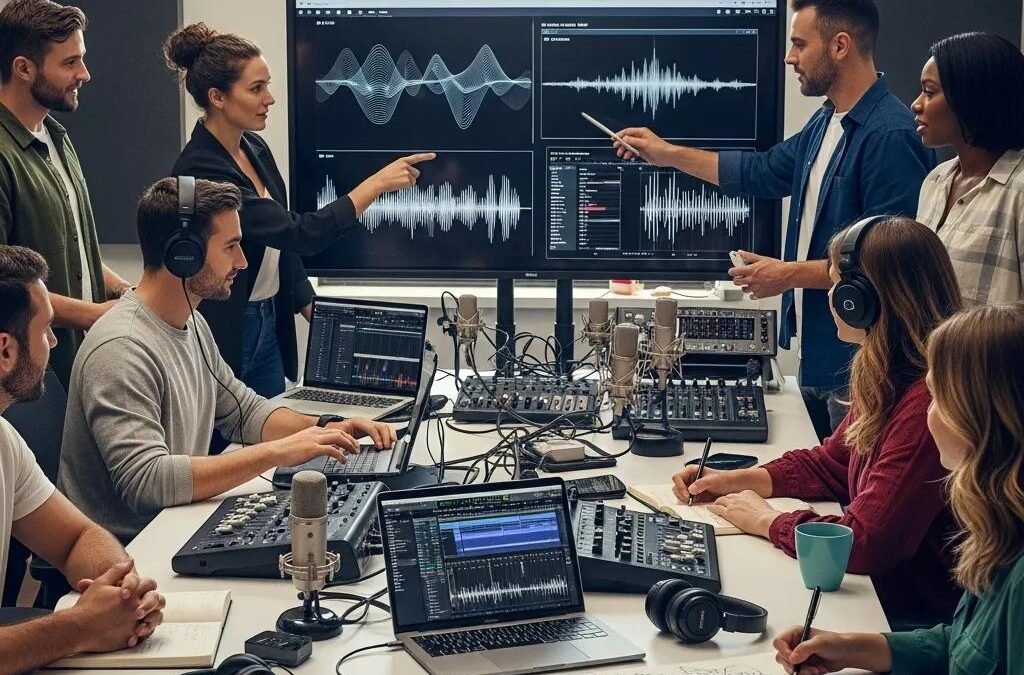
We’re eager to bring your sound ideas to life!

E-mail Us Cary@SoundBrandingIdeas.com

w

Chat With Us Below
We're always here!

Call Us Today!
866-826-6692

Future-Proofing Your Audio Branding Strategy: Building a Sustainable, Adaptable Sonic Identity for Lasting Brand Impact

Future-proofing your audio branding means creating a sustainable, adaptable sonic identity that stays recognizable and effective as platforms, listener habits, and technology change. This guide explains how a future-ready approach boosts brand recall and long-term ROI, and lays out practical steps to build resilient audio assets for streaming, voice assistants, and immersive experiences. You’ll get the core pillars of a future-proof strategy, a look at how AI and spatial audio are reshaping opportunities and risks, and measurement frameworks that demonstrate audio’s staying power. We also cover psychoacoustics, governance and asset management, and how to fold audio into multisensory brand systems while protecting originality and rights. Read on for actionable lists, comparison tables, and checklists to move from one-off jingles to a durable, adaptable brand sound ecosystem.

Key Takeaways

  • Future-proof audio branding rests on modular, adaptable sonic identities that evolve with platforms and listener habits.
  • Core pillars include adaptive motifs, governance, clear rights, analytics, and platform-agnostic asset design.
  • Emerging tech like AI and spatial audio enables scalable personalization and more immersive brand experiences.
  • Consistent sonic cues across touchpoints preserve brand recall even as formats change.
  • Original compositions and strategic partnerships protect distinctiveness and simplify rights management.
  • Measuring recall, engagement, conversion, and emotional connection guides continuous optimization.
  • Pairing audio with visual and haptic elements strengthens memory encoding and multi-sensory impact.
  • Psychoacoustic principles inform motif design to evoke intended moods and reinforce perception.
  • Governance frameworks and metadata standards keep audio assets discoverable and legally clear over time.

Why Is Future-Proofing Your Audio Branding Strategy Essential?

Future-proofing your audio branding means anticipating shifts in audience behavior and technology so that sonic assets remain effective, discoverable, and legally sound. The key mechanism is modularity: by authoring stems, embedding metadata, and setting governance rules up front, brands retain recognition across channels while making updates efficient. That translates into sustained brand recall and measurable ROI because adaptive assets can be repurposed for new platforms without losing identity. Understanding the investment drivers helps teams prioritize flexible formats, metadata standards, and testing regimes that minimize long-term rework. Below are the top trends making future-proofing essential.

Audio branding must respond to several converging trends:

  • Growing audio-first platforms and social audio that increase listening time and touchpoints.
  • Rapid advances in voice and AI technologies enable personalization and fragmentation.
  • The need for measurable outcomes and attribution to justify creative spend.

Together, these drivers show that durable sonic identities need governance, analytics, and creative systems designed to evolve rather than sit static. The next section explores how platform shifts and listener behavior reshape sonic strategy.

How Are Audio-First Platforms and Changing Consumer Behaviors Shaping Sonic Branding?
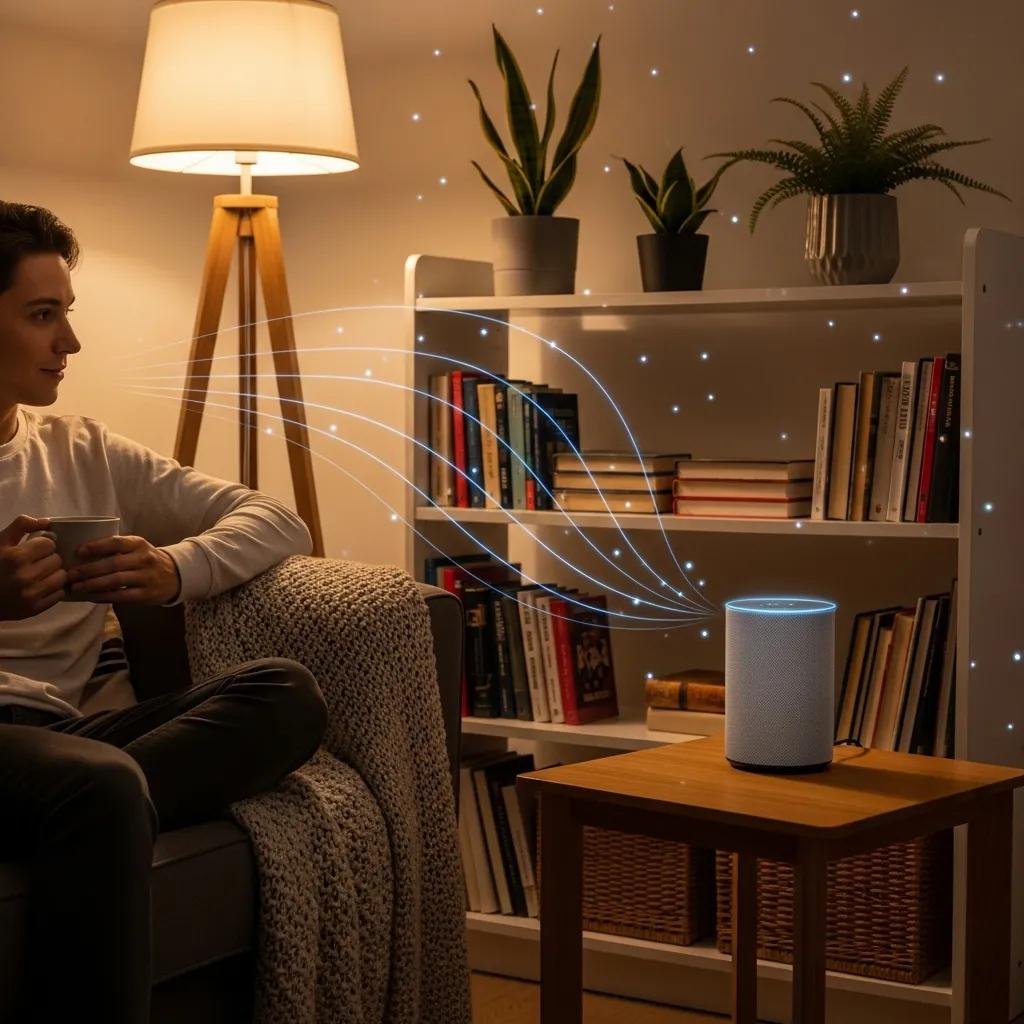
Audio-first channels—podcasts, streaming services, smart speakers, and short-form social audio—have changed listening patterns and added new places your sonic identity must appear. Platform constraints (ad length, loudness normalization, voice-only interfaces) call for format-specific assets: short sonic logos, extended anthems, and mid-form stings for podcast ads. Listeners expect consistent cues across formats: a sonic logo on a smart speaker should feel connected to a 30‑second streaming ad or an in-app notification. That drives the need for modular stems, loudness metadata, and clear channel-specific mixing rules. Knowing these differences helps brands design a sound ecosystem that scales and stays recognizable as new audio-first contexts emerge.

What Technological Advancements Impact the Longevity of Audio Branding?

Generative audio, AI-driven personalization, voice assistants, and spatial audio change how long audio assets remain relevant and how well they do so. Generative tools speed the creation of personalized variants and A/B tests, voice platforms demand discoverable persona assets, and immersive formats require multi-channel stems and richer metadata. Each technology brings benefits—scalability, personalization, and immersion—but also risks such as IP ambiguity and quality drift, which make governance and human QA essential. Designing assets for multiple target formats and embedding metadata helps ensure audio branding survives tech shifts and stays adaptable.

What Are the Core Pillars of a Future-Proof Audio Branding Strategy?

A future-proof audio strategy rests on a set of pillars that deliver flexibility, consistency, and measurable value: an adaptive sonic identity, governance and metadata, original composition and rights clarity, analytics-driven optimization, and platform-agnostic asset design. Put simply: combine creative modularity (stems, motifs) with governance and measurement so brands can iterate without losing recognizability. The payoff is an enduring sound ecosystem that cuts refresh costs and boosts cross-platform effectiveness. Below is a concise list of those pillars, each with a one-line definition.

Core pillars to embed now:

  • Adaptive Sonic Identity: Modular motifs and stems designed to scale across short and long formats.
  • Governance & Metadata: Rules and file-level metadata that preserve intent, versioning, and rights tracking.
  • Originality & Rights Clarity: Custom compositions and explicit licenses to avoid dilution and legal risk.
  • Analytics & Optimization: KPI-driven testing and iteration to show long-term ROI and inform refresh cycles.
  • Platform-Agnostic Assets: Deliverables for multiple formats—from mono voice prompts to spatial stems.

These pillars work together: creative modularity without governance increases risk, while governance alone can stifle creativity. The table below compares core sonic elements to illustrate trade-offs across lifespan and platform suitability.

Different sonic elements require different balances of flexibility, cost, and lifespan.

Sonic ElementFlexibilityPlatform SuitabilityTypical LifespanMaintenance Effort
Sonic Logo (short)High for adaptationSmart speakers, ads, UILong (5+ years)Low-to-moderate
Jingle / Brand AnthemModerateRadio, streaming, commercialsMedium (3–5 years)Moderate
Voice PersonaModerate-highIVR, assistants, adsLong if exclusiveModerate-high
Soundscape / UX AudioHigh for customizationApps, product soundsVariableModerate

This comparison shows why a balanced mix of short sonic logos, original anthems, and governed voice personas produces the most resilient audio branding. Next, we explain how to define and operationalize a flexible sonic identity.

How Do You Define a Flexible and Resilient Sonic Identity?

A flexible, resilient sonic identity is a system of modular musical elements—stems, motifs, and a defined voice persona—combined with metadata standards and version control to ensure consistency across channels. The mechanism is simple: break compositions into interchangeable stems (melody, rhythm, ambiance) so assets can be remixed for different lengths, loudness norms, and immersive formats. The primary benefits are lower redeployment costs, faster adaptation to new platforms, and easier A/B testing. Implementation requires recommended deliverables (interleaved stems, wav/ogg/mp3 masters, and standardized metadata tags) and a governance checklist for usage rights and revisions. Establish these standards early so teams can iterate creatively while preserving core recognition.

Why Is Consistency Across Evolving Touchpoints Critical?

Consistency across touchpoints preserves brand recall as formats and listening contexts change. The mechanism is perceptual anchoring: recurring timbres, melodic contours, and voice qualities build mental links that aid recognition. Consistency should be balanced with adaptation—shorter versions, level-matched mixes, and voice-first arrangements keep presence without sounding out of place. Channel rules (length, loudness, instrumentation) belong in sonic brand guidelines and should be paired with governance workflows for approvals. The result is stronger brand equity and a coherent auditory customer journey across ads, apps, IVR, and voice assistants.

How Can Emerging Technologies Enhance the Longevity of Audio Branding?

Emerging technologies extend audio longevity by enabling scalable personalization, faster testing, and immersive experiences that deepen brand connection. The mechanism is tech-driven modularity: AI can generate many motif variants, spatial audio creates richer in-situ experiences, and voice tech delivers consistent personas across assistants. The business value is twofold: broader reach through personalization and lower production time for iterative testing.

To capture these benefits while managing risks, adopt governance, human oversight, and fidelity checks.

Three practical tech examples and their one-line benefits:

  • Generative AI for variant creation: Rapidly produces tested variations to fit audience preferences.
  • Voice assistants and conversational AI: Deliver consistent voice personas across discovery and transactions.
  • Spatial and immersive audio: Deepens engagement for AR/VR and next-gen platforms.

To clarify trade-offs, the table below compares key technologies by use case, benefits, risks, and maturity to help plan for responsible adoption.

TechnologyPrimary Use-CaseBenefitKey RiskMaturity
Generative Audio / AIVariant creation, rapid prototypingScalability, personalizationIP and fidelity driftEmerging
Voice AssistantsConversational UX, discoveryHands-free access, persona continuityPlatform fragmentationMature
Spatial / Immersive AudioAR/VR experiencesHigher immersion and recallProduction complexityGrowing

This suggests a phased approach: standardize voice personas and governance first, pilot generative variants with human QA, and plan spatial assets for high-impact experiences. Next, we examine AI and voice-specific roles in more detail.

What Role Does AI Play in Audio Creation, Personalization, and Management?

AI speeds production through generative composition, automated mixing, and personalized variants tied to listener context. The mechanism is algorithmic orchestration with human oversight. AI can generate hundreds of micro-variants for A/B testing, surface high-performing motifs, and automate loudness and metadata embedding—reducing time-to-market. The main benefit is scale: brands can deliver contextually relevant audio while keeping core motifs intact. But AI raises IP and quality concerns that demand governance and clear attribution. Practical workflows combine AI generation with human-in-the-loop review, versioning, and fidelity benchmarks to protect brand standards.

How Do Voice Technology and Conversational AI Shape the Auditory Customer Journey?

Voice tech and conversational AI turn static audio into interactive, discoverable touchpoints driven by intent and context. The mechanism is persona-driven interaction design: consistent voice personas, concise invocation prompts, and sensible fallbacks for ambiguity. Voice UX needs voice SEO to improve discovery and thorough testing across platforms. The benefit is an extended brand presence in hands-free contexts and transactional flows, but success requires platform testing and clear legal terms for voice rights. Build test matrices across major assistants and fail-safes that preserve brand tone when intents fail.

How Do You Craft a Sustainable and Adaptive Sound Identity Beyond Traditional Jingles?

Crafting a sustainable sound identity moves past single-use jingles to a governed ecosystem that combines psychoacoustics, original composition, and strategic partnerships. The mechanism is ecosystem thinking: short sonic logos, layered stems, voice personas, and clear licensing form a reusable library that supports campaigns and product experiences. The outcome is a cohesive brand sound that can be refreshed cost-effectively while keeping recognition, reducing long-term spend, and legal exposure. Practical refresh cadences, testing frameworks, and partnership models keep the sound original and maintainable. Below are concrete steps to build and sustain that ecosystem.

  • Design modular stems that can be recombined for different lengths and formats without re-recording.
  • Set a refresh cadence (e.g., minor variants annually, major refresh every 3–5 years) tied to measurement signals.
  • Formalize partnerships with composers and voice artists for exclusives and clear rights.

These steps reduce reliance on stock audio and prevent dilution of your brand sound. The next subsection explains psychoacoustic levers for a deeper emotional connection.

What Is the Impact of Psychoacoustics on Emotional Connection and Brand Perception?

Psychoacoustics explains how tempo, mode, timbre, and rhythm shape mood and memory. The mechanism is cognitive association: repeated sonic cues prime emotions and strengthen recall. Faster tempos and major modes tend to evoke excitement and optimism, while warmer timbres and slower contours support trust and calm—choices that should map to brand positioning. Validate those choices with A/B emotional response tests and implicit association tasks to see which cues drive the desired perception. Short listener panels measuring both explicit emotion ratings and recognition rates help steer motif selection.

Why Are Originality and Strategic Music Partnerships Vital for Brand Sound Ecosystems?

Original composition and selective partnerships protect distinctiveness and simplify rights management. The mechanism is exclusivity plus provenance: exclusive works and close composer relationships reduce the risk of sonic overlap and legal disputes. Original music yields unique melodic hooks and narrative opportunities that stock audio can’t match. Strategic partnerships—with composers, production houses, or libraries that offer exclusives—deliver specialty assets and scalable licensing. Prioritizing originality makes ownership clear and gives a cleaner path for derivative or AI-assisted variants.

How Do You Measure and Maximize the Long-Term ROI of Audio Branding?

Measuring long-term ROI means tying audio assets to brand KPIs, running attribution experiments, and maintaining a continuous optimization loop. The mechanism is a closed-loop measurement process: set KPIs, run controlled tests, attribute outcomes, and iterate on assets based on data. Benefits include demonstrable lifts in brand recall and conversion, and the ability to prioritize high-impact creative spend.

Top KPIs and how to measure them:

  • Brand Recall: Aided and unaided recall surveys after audio exposure.
  • Engagement Lift: Listen-through rates, completion, and interaction metrics on platforms.
  • Conversion Lift: Experiment frameworks (control vs. exposed cohorts) tied to sales or sign-ups.
  • Emotional Connection: Survey-based affect scales and implicit response tests.

These KPIs guide iterative improvements and investment decisions. The table below maps metrics to frequency and recommends tools for practical implementation.

MetricMeasurement MethodFrequencyRecommended Tools
Brand RecallSurvey (aided/unaided)QuarterlyBrand-lift surveys
EngagementPlatform analytics (listen-through)MonthlyStreaming/analytics dashboards
Conversion LiftControlled experimentsPer campaignExperimentation platforms
Emotional ResponsePsychometric surveys / implicit testsBi-annualResearch panels

This matrix clarifies which metrics to prioritize at each campaign stage and how often to collect data to ensure reliable trend estimates. Next, we explain how attribution models and continuous optimization drive lasting improvement.

What Key Metrics and KPIs Indicate Audio Branding Success?

Primary KPIs are brand recall, engagement lift, conversion lift, and emotional connection scores—each reflecting a different part of the funnel and experience. Brand recall measures long-term memory and should include both aided and unaided survey instruments to test recognition of sonic elements. Engagement lift is platform-specific and includes completion rates, interactions, and skip behavior on streaming ads or podcasts. Conversion lift ties creative variants to behavior changes through controlled experiments or uplift modeling. Emotional connection can be captured with validated affect scales and linked to recall to show qualitative and quantitative impact. Together, these KPIs form a composite view of audio success and steer optimization priorities.

How Can Attribution Models and Continuous Optimization Improve Audio Strategy?

Attribution for audio should use multi-touch models and experiment-based designs to isolate creative impact. The mechanism is iterative learning: run controlled exposures, measure incrementality, and update assets based on results.

A practical three-step approach: define control and exposed cohorts, run short-cycle A/B tests on variants, and analyze lift with statistical rigor to confirm significance.

Continuous optimization means deploying top-performing stems across formats, retraining personalization models with new data, and updating governance based on attribution findings. Feed attribution outputs into asset versioning so proven variants become part of the governed library for reuse. Organizations that institutionalize these loops see compound improvements in audio ROI over time.

For teams needing hands-on measurement support, Sound Branding Ideas offers consultative measurement and optimization services that pair creative asset development with KPI-driven testing and reporting—emphasizing original assets and governed delivery to ensure measurable long-term impact while preserving rights and distinctiveness.

How Can Audio Be Integrated Across Multi-Sensory Brand Experiences for Greater Impact?

Audio amplifies multi-sensory experiences by reinforcing visual and haptic cues. The mechanism is cross-modal reinforcement: aligned sensory signals boost memory encoding and emotional salience. Integrating sound with visuals and haptics improves recall, increases engagement, and makes product interactions feel more polished and coherent. In practice, mapping audio motifs to visual moments and tactile feedback yields higher conversion rates and deeper brand attachment. Below are the benefits and design considerations for multisensory integration.

What combining audio with other senses achieves:

  • Improved memory and recall through synchronized sensory cues.
  • Stronger emotional resonance by matching audio timbre and tempo to visual tone.
  • Richer UX through haptic reinforcement of audio events in product interactions.

These benefits justify cross-functional design coordination and testing; the next subsection provides pairing rules and testing ideas.

How Does Psychoacoustics Enhance Multi-Sensory Marketing Strategies?

Psychoacoustic rules guide the pairing of sound with motion, color, and tactile feedback by matching perceptual attributes—tempo with motion speed, timbre with color warmth, and attack with haptic onset. The mechanism is perceptual congruence: when sensory attributes match, the brain fuses information more efficiently, raising perceived quality and trust. Practical rules include aligning tempo to on-screen motion beats, choosing brighter timbres for high-energy visuals, and timing haptics to sonic transients. Use paired-comparison tests to measure subjective quality and recall and refine pairings accordingly.

  • Synchronized product reveal: Match a rising sonic motif to a visual reveal and a timed haptic pulse for maximum impact.
  • Notification design: Use short, distinctive tones with light vibration and color cues to create a predictable UX.
  • Immersive brand experiences: Combine spatial audio with synchronized visuals and tactile elements in AR/VR demos.

These examples show how coordinated sensory design boosts engagement and memorability. The strategies above provide a roadmap for implementing enduring multisensory audio.

Integration AreaPrimary Audio RoleComplementary SenseDesign Consideration
Product InteractionSignaling & delightHapticsTiming and transient matching
AdvertisingEmotional liftVisualsTempo/timbre congruence
NotificationsRecognitionColor/HapticsShort, distinctive motifs
  • Plan modular deliverables: Export stems and haptic timing metadata together.
  • Test in context: Always validate pairings within real device constraints.
  • Govern and version: Treat multimodal assets as first-class deliverables in the brand library.

These operational steps complete the roadmap for integrating audio into multisensory brand systems and help ensure longevity through governance and measurement.

Frequently Asked Questions

How can audio branding adapt to various platforms?

Audio adapts to different platforms by using modular components that perform well in each environment. Short sonic logos work for social channels while longer compositions suit podcasts and radio—both tied to the same core motifs, so identity remains intact. Designing with platform compression, loudness norms, and listening context in mind ensures smooth transitions and reliable recognition across experiences.

What role does audience feedback play in audio branding?

Audience feedback is vital: it reveals listener preferences and emotional responses that guide motif selection and iteration. Surveys, focus groups, and small listener panels help validate creative choices and drive incremental improvements. Keeping a regular feedback loop means your sonic identity can evolve with changing tastes and listening habits.

Are there specific legal considerations for audio branding?

Absolutely. Clear rights and licensing are essential to avoid IP disputes. Brands should secure explicit licenses for any sound elements—especially original compositions and exclusive voice work—and document usage terms. Strong governance and metadata practices simplify rights tracking and reduce legal exposure over time.

What measurement practices can be used to evaluate audio branding effectiveness?

Measure effectiveness with a mix of brand-lift surveys, platform analytics, controlled experiments, and psychometric testing. Use aided and unaided recall to gauge memory, platform metrics for engagement, experiment frameworks for conversion lift, and emotional-response tests for qualitative insight. Those techniques let teams iterate and prove audio’s value.

How does psychoacoustics relate to brand perception?

Psychoacoustics shapes how sound affects emotion and memory. Elements like tempo, timbre, and rhythm influence listeners’ moods and recognition, so aligning these choices with brand positioning strengthens perception. Testing helps determine which psychoacoustic levers best support the emotions you want to evoke.

What types of tools are available for managing audio branding?

Tools include digital asset management systems, metadata validators, and analytics platforms. DAMs keep audio organized and tagged for rights and versioning, while analytics tools track engagement and performance. Combined, these systems support governance, adaptation, and measurement of your audio identity.

How can brands integrate audio into their overall marketing strategies?

Integrate audio by ensuring a unified sonic identity across touchpoints that complements visual branding. Use audio in ads, social, in-store, and product interactions, and align motifs with core values and audience expectations. Consistent, well-governed audio increases recall and emotional connection across your marketing mix.

Conclusion

Building a sustainable, adaptive audio branding strategy helps brands navigate shifting technologies and listener behaviors. A strong sonic identity improves recall, fosters emotional connection, and supports long-term ROI. By adopting core pillars—modularity, governance, originality, analytics, and platform-agnostic design—brands can create a cohesive, sound ecosystem that adapts across touchpoints. Start future-proofing your sonic brand today with tailored practices that ensure your sound endures and performs wherever your audience listens.