
We’re eager to bring your sound ideas to life!

E-mail Us Cary@SoundBrandingIdeas.com

w

Chat With Us Below
We're always here!

Call Us Today!
866-826-6692

Slogans vthe s. Taglines: How to Choose the Right Phrase for Clear, Memorable Brand Messaging

Knowing the difference between a slogan and a tagline matters because each serves a distinct role in how a brand communicates. This article breaks down what a slogan is, what a tagline is, and when marketers should use one or both based on campaign goals, lifespan, and audience. You’ll find practical rules for writing and testing each phrase, a simple decision framework for deployment, and guidance on how audio branding—jingles, voiceovers, and sonic logos—boosts recall and emotional impact. We connect terms like scope, purpose, and related audio elements to show how words and sound work together. Short examples and checklists make it easy to put these ideas into action, and selected mentions of Sound Branding Ideas show how professional slogan writing and audio production help bring concepts to life.

What is the Slogan? Definition, Purpose, and Examples

A slogan is a campaign-focused phrase crafted to drive action, spotlight an offer, or achieve a short-term marketing objective. It concentrates message energy on a product, event, or seasonal push and often leans on urgency, clear calls to action, and tight wording to boost conversions. Slogans perform best when paired with visuals or audio hooks that reinforce memorability. Tactically, slogans are campaign-level messaging—distinct from timeless brand statements—and should be treated as testable assets you can optimize for performance.

Slogans bring campaigns together and prompt measurable responses by giving creative ads and landing pages a consistent verbal hook. The section below explains how slogans function inside campaigns to drive engagement and outcomes.

How do the organs Support Marketing Campaigns?

Slogans create a repeatable verbal cue that aligns creatives, paid media, and landing experiences, increasing cohesion and the chance a customer will act. A focused campaign slogan serves as a short-term mnemonic: it raises awareness, improves click-throughs, and centers execution on one offer or benefit. Performance data often shows higher engagement when a slogan is A/B tested across channels, and adding a short jingle or voice tag usually improves recall. Treat slogans as rapid-iteration assets: test, measure, and refine based on results and audience feedback.

What Are the Common Characteristics of Effective Slogans?
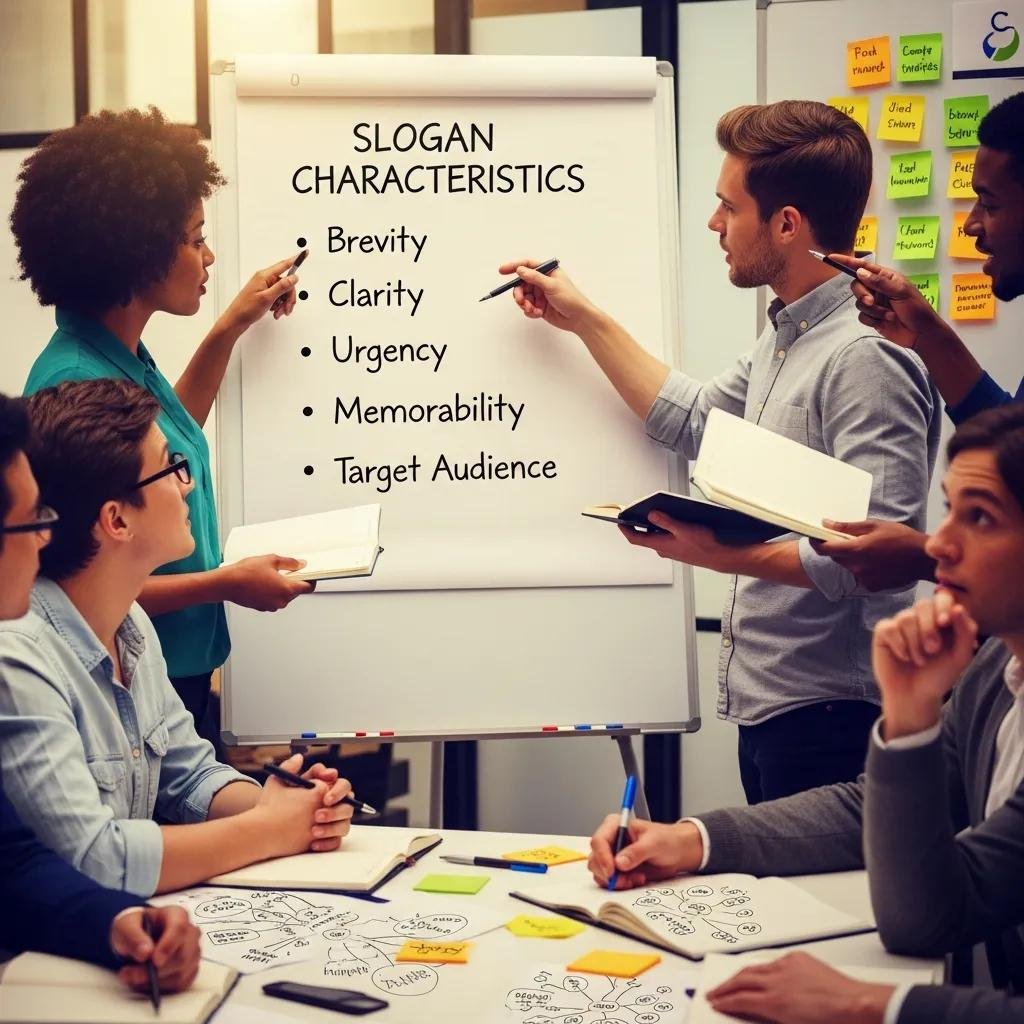
Effective slogans tend to be brief, clear, urgent, distinctive, and easy to read aloud. Brevity keeps a phrase ad-friendly; clarity ties the words to a specific benefit or action; urgency encourages response; distinctiveness stops the line from sounding generic; and audio-readability ensures it works when spoken or sung. These attributes act as practical constraints—your slogan should map clearly to one campaign and survive repetition. Applying them makes both the text and the sonic treatment work harder across media.

If you want professional help, Sound Branding Ideas pairs slogan craft with audio sensibility to deliver campaign-ready phrases that sound as good as they read. Their work complements tactical guidance without changing the core distinction between slogans and taglines.

What is the tagline? Definition, Purpose, and Examples

A tagline is a concise, long-term brand statement that captures a company’s identity, mission, or positioning and works across products and touchpoints to reinforce recognition. Taglines aim for durability and emotional resonance—synthesizing values into a short promise that builds brand equity rather than driving an immediate conversion. As a brand-level message, a tagline interacts with your logo, mission, and voice to create a consistent identity system. Crafting taglines prioritizes universality and tonal fit across every customer interaction.

Taglines distill a brand’s core idea into a repeatable phrase that guides creative tone and messaging. The next section shows how taglines reflect mission and values in practice and highlights audio considerations for delivery.

How Do the glines Reflect Brand Identity and Values?

Taglines translate mission and positioning into a compact phrase that anchors perception over time. A strong tagline aligns with a brand’s voice and appears consistently across marketing, packaging, and audio assets. When paired with voiceover or sonic branding, the tagline’s tone—warm, authoritative, playful—must match vocal delivery to stay authentic. Consistent language and audio help the tagline become a reliable signal of your brand promise, strengthening recognition and trust.

What makes a Tagline Enduring and Memorable?

Enduring taglines last because they’re clear, distinctive, and emotionally resonant. Simplicity makes them broadly applicable; distinct phrasing prevents them from blending into category noise; and emotional weight creates loyalty and advocacy. The best taglines link to a brand’s deeper story so they survive market changes. Testing candidates for clarity, distinctiveness, and emotional resonance increases the likelihood that a tagline will remain relevant across years and channels.

What Are the Key Differences Between Slogans and Taglines?

Slogans and taglines mainly differ in scope, lifespan, purpose, flexibility, and audience: slogans are campaign-specific and short-lived, while taglines are brand-level and enduring. This side-by-side view makes it easier to choose the right language for a launch, promotion, or brand work. Below is a concise comparison, followed by a note on how professional writers prepare phrases for audio use.

Element ComparedCharacteristicTypical Role
ScopeNarrow (campaign or product)Drives short-term action and offers
LongevityTemporary (weeks–months)Rotates with marketing cycles
PurposeActivate, convert, persuadeDrive campaign responses and sales
FlexibilityHigh (frequent updates)Built for a single campaign or season
Audience TargetingSpecific segments or behaviorsCompany-level, broad audiences
Example"Summer Sale — Save 50%.""A timeless brand promise"

This comparison shows slogans as tactical hooks and taglines as strategic identity tools. Professional writers also check rhythm and vowel emphasis so that phrases translate smoothly into jingles or voiceovers when needed.

How Do Slogans, Longevity, and Purpose Distinguish Slogans from Taglines?

Scope tells you whether the phrase targets a single offer or the whole brand; longevity sets how often it changes; purpose explains the desired outcome—immediate conversion versus lasting association. Slogans are campaign-scoped and built for flexibility; taglines are brand-scoped and meant to be steady. Use these distinctions as rules: treat slogans as testable variables and taglines as foundational assets that require stakeholder alignment. That approach prevents misuse and keeps messaging aligned with strategy.

Can a Brathe nd Use Both a Slogan and a Tagline Effectively?

Yes. Brands often use both by keeping clear roles: the tagline anchors identity while slogans activate specific campaigns. Best practice is to keep the tagline visible across channels, use slogans for time-limited pushes, and harmonize audio treatments so both feel like part of the same brand family. A short sonic cue can link a campaign slogan back to the enduring tagline without confusing audiences. Governance—naming conventions, update cadence, and audio style guides—helps teams use both without diluting the brand.

When Should Businesses Use a Slogan Versus a Tagline?

Pick a slogan when you need short-term activation—launches, promotions, or limited-time offers that require a clear call to action and a measurable lift. Choose a tagline when you’re shaping long-term identity, positioning, or differentiation that should persist across touchpoints. This framework ties business goals to phrase types and helps teams balance testing campaign slogans while protecting taglines for strategic work. Below are quick rules and a compact checklist to guide the choice.

Use these decision rules to match phrase type to goal:

  • Campaign activation: Use a slogan to drive immediate response or clarify a promotion.
  • Brand positioning: Use a tagline to build long-term recognition and express core values.
  • Mixed objectives: Use both—anchor campaigns with the tagline and amplify them with a campaign-specific slogan.

These rules separate tactical language from strategic identity, so teams apply the right phrase in the right moment.

How Do Campaign Goals Influence the Choice Between Slogan and Tagline?

Campaign goals determine whether language should prompt action or shape identity: conversion and limited-time urgency call for slogans, while awareness and brand promise call for taglines. A product launch typically needs a focused slogan that highlights benefits and a clear CTA; a repositioning asks you to refine the tagline to reflect the new promise. Testing differs, too: slogans suit rapid A/B tests and short creative runs, while taglines require long-term tracking and qualitative validation. Align your testing cadence to the phrase’s intended role.

What Are the Strategic Tips for Crafting Each Brand Phrase?

Writing effective slogans and taglines requires economy and audio-readability. Below are practical tactics and testing approaches that help both forms work in text and sound. Follow these to increase clarity, memorability, and compatibility with audio branding.

  • Write with economy: Use the fewest words needed to be clear.
  • Test for audio: Read phrases aloud and try them with voice talent to check cadence.
  • A/B test slogans: Run fast experiments to measure conversion lift.
  • Track tagline equity: Use brand tracking to measure long-term recognition.
  • Align tone: Make sure copy and voice reflect the same emotional register.
  • Limit jargon: Favor accessible language for your audience.

These strategies balance short-term performance with long-term coherence and lead naturally into how sound can amplify both phrases.

How Does the Sound Branding Enhance the Impact of Slogans and Taglines?

Sound branding—jingles, voiceovers, and sonic logos—adds an auditory memory trace that complements text and speeds associative learning. Audio elements are part of the brand identity: jingles create mnemonic hooks, voiceovers set the tone and pacing, and sonic logos enable quick recognition across channels. Combining audio and text leverages multiple memory systems: sound taps emotion and aids retention, improving unaided recall and ad recall. The table below shows how audio choices map to messaging functions and benefits.

Before the table: this mapping explains how specific audio decisions translate into measurable messaging outcomes and supports an integrated audio-text strategy.

Audio ElementFunction in MessagingBenefit / Example
JingleMelodic mnemonic tied to a phraseBoosts recall and singability
VoiceoverSpoken delivery of the messageShapes emotional tone and clarity
Sonic logoShort audio signatureQuick brand recognition across media
Musical motifEvokes a brand atmosphereDeepens long-term emotional association

This mapping shows audio elements directly supporting messaging outcomes and makes sound a practical tool for strengthening slogans and taglines.

What Role Do Jingles and Voiceovers Play in Brand Messaging?

Jingles create melodic hooks that lodge phrases in auditory memory, often improving recall beyond what text alone can. Voiceovers add nuance, pacing, and credibility that shape emotional response. Use jingles when a slogan needs instant memorability; use voiceovers to convey a tagline’s tone and context in longer formats, such as commercials or branded content. Choosing the right vocal timbre and arrangement ensures the audio matches the brand promise. Effective integration requires close collaboration between copywriters and audio producers to ensure that phrasing, rhythm, and timbre align.

How Does the Audio Integration Improve Brand Recall and Emotional Connection?

Audio integration strengthens recall by linking sound patterns to brand phrases; consistent sonic cues increase unaided recall and brand salience. Sound activates emotional centers, encoding valence into a phrase and making taglines and slogans stickier. Practical examples include using a brief sonic logo to cue recognition before a visual reveal, or a jingle to make a slogan part of popular culture. Teams should include audio testing—voice auditions, melodic hooks, short sonic logos—alongside text A/B tests to capture the combined lift.

For brands seeking integrated audio support, Sound Branding Ideas creates jingles, custom voiceovers, and original slogans, delivering tailored sound and phrasing with fully original audio and lyrics. Their services illustrate how professional audio production turns concepts into memorable sonic assets.

What Are the Common Mistakes to Avoid When Using Slogans and Taglines?

Common mistakes include using generic language that weakens distinctiveness, rotating slogans too frequently so that no memory forms, and confusing campaign slogans with brand taglines—each of which harms clarity and equity. Prevent these errors with clear rules on update cadence, naming conventions, and testing protocols so teams don’t blur roles. Another frequent oversight is ignoring audio compatibility: a great written line can fail when spoken or sung if rhythm and emphasis aren’t considered. Addressing these issues protects both campaign performance and long-term brand strength.

The next subsection explains why authenticity matters and how misalignment drains equity, leading to governance practices that prevent confusion between slogans and taglines.

Why is authenticity crucial for Effective Brand Phrases?

Authenticity builds trust: phrases must reflect real capabilities and customer experience. Inauthentic claims can grab attention in the short term but erode credibility over time. Authenticity means aligning the phrase with product reality and ensuring the audio delivery fits the brand’s genuine voice. When phrases are authentic, emotional connection deepens, and advocacy grows; when they’re not, audiences spot the disconnect and disengage. Internal validation with customer-facing teams and consistent audio-text alignment help ensure authenticity.

How Can Businesses Prevent Confusing Slogans with Taglines?

Stop confusion by codifying rules that separate campaign and brand language: set update cadences, use naming conventions (for example, “Campaign Slogan: …”), and keep style guides for audio use. Operational safeguards include formal sign-offs, tagging phrases in asset systems, and scheduling separate reviews for slogans and taglines. Testing cadence should differ—rapid cycles for slogans, long-term studies for taglines. Clear governance keeps messaging consistent and avoids dilution across channels.

Sound Branding Ideas — Services & Case Examples

Sound Branding Ideas combines slogan writing with jingle and custom voiceover production to make phrases both textually clear and sonically memorable. They emphasize fully original audio and lyrics, tailoring solutions to campaign goals and brand identity. To discuss integrated slogans and audio strategies, contact Cary Reich at Sound Branding Ideas for consultation and bespoke production.

Frequently Asked Questions

What is the importance of audio branding in slogans and taglines?

Audio branding gives slogans and taglines an extra layer of memorability. Jingles and voiceovers create auditory hooks that improve recall and emotional connection. A catchy jingle makes a slogan easier to remember, while a well-chosen voiceover conveys tone and personality. Integrating sound with text helps the message land across formats and platforms.

How can businesses measure the effectiveness of their slogans and taglines?

Measure effectiveness with A/B tests, brand-tracking studies, and direct consumer feedback. A/B tests reveal which slogans drive short-term engagement and conversions. Brand tracking measures long-term recognition and emotional association for taglines. Surveys, focus groups, and on-platform feedback give qualitative insight to refine messaging.

Can slogans and taglines evolve over time?

Yes. Slogans and taglines should evolve as markets, audiences, and strategies change. Slogans are expected to change frequently; taglines evolve more slowly and deliberately. Any update should align with core values to avoid confusing customers—regular review and testing help keep phrases relevant without sacrificing equity.

What are some common pitfalls to avoid when creating slogans and taglines?

Avoid generic copy that dilutes distinctiveness, mixing up the roles of slogan and tagline, and changing slogans too often. Also consider audio—test how phrases sound when spoken or sung. Prioritizing clarity, distinctiveness, and authentic fit with brand values reduces these risks.

How do cultural differences impact slogan and tagline effectiveness?

Cultural differences affect how phrases land—idioms, humor, and references don’t always translate. Local language nuances can change meaning or tone. Use market research and localization to adapt slogans and taglines for different audiences, ensuring messages are respectful, relevant, and effective.

What role does consumer feedback play in refining slogans and taglines?

Consumer feedback is essential. Surveys, focus groups, and social listening reveal what resonates and what falls flat. Feedback helps refine wording, tone, and audio choices so phrases align with audience expectations. Involving consumers in testing increases the chance your message will connect.

Conclusion

Clear distinctions between slogans and taglines make brand messaging more effective: slogans drive short-term action, and taglines build lasting identity. Use the right phrase for the right purpose, test appropriately, and include audio early so text and sound reinforce each other. For hands-on help creating memorable phrases and sonic assets, consider working with specialists in sound branding and messaging. Explore our services to give your brand a voice that’s both heard and remembered.