
Top 7 Benefits of Audio Branding for Your Business: Unlocking Growth and Customer Connection
Audio branding uses bespoke sound assets—sonic logos, jingles, voiceovers, and music—to make brands more memorable and commercially effective. This article explains the top seven benefits of audio branding. It shows how sound can operate as a strategic marketing tool that increases recognition, builds emotional bonds, differentiates brands, boosts loyalty, drives sales, improves the user experience, and positions companies for future voice-driven channels. Many organizations underinvest in sound despite research showing that auditory cues produce strong associative memory and influence behavior, so this guide prioritizes practical mechanisms and measurement approaches you can apply now. You will learn how sonic logos and jingles function as audio signatures, which production elements matter for emotional impact, when to deploy custom voiceovers versus short chimes, and how to measure uplift with defined KPIs. Each H2 section provides a precise definition, the underlying mechanism, actionable tactics, and examples of how to test results across channels. Throughout, targeted keywords such as brand recognition through sound, audio branding ROI, and sonic identity are woven in to support discoverability and practical implementation.
How Does Audio Branding Enhance Brand Recognition and Recall?
Audio branding enhances brand recognition by creating distinct, repeatable sound signatures that the brain encodes alongside visual and semantic brand cues. Sound leverages auditory memory and temporal hooks—melodic contour, rhythmic motifs, and timbre—that register quickly and persist in recall, boosting the chance a consumer will remember a product or ad. The mechanism is simple: a short sonic logo or jingle forms an audio signature that links to brand meaning during repeated exposures, increasing recognition on radio, streaming, store environments, and voice interfaces. Understanding these mechanisms helps marketers choose assets that maximize audio signature recall across touchpoints.
Audio branding increases recognition through several practical mechanisms:
- Sonic logos condense brand identity into a brief melodic hook that is easy to remember and reproduce.
- Repetition across channels reinforces associative memory and reduces cognitive load for recognition.
- Multichannel consistency—same chime, instrumentation, or voice persona—creates a unified sonic identity.
These mechanisms translate into actionable design priorities for any brand seeking better recall, which we explore in the following subsection about what makes sonic logos memorable.
What Makes Sonic Logos Memorable and Effective?
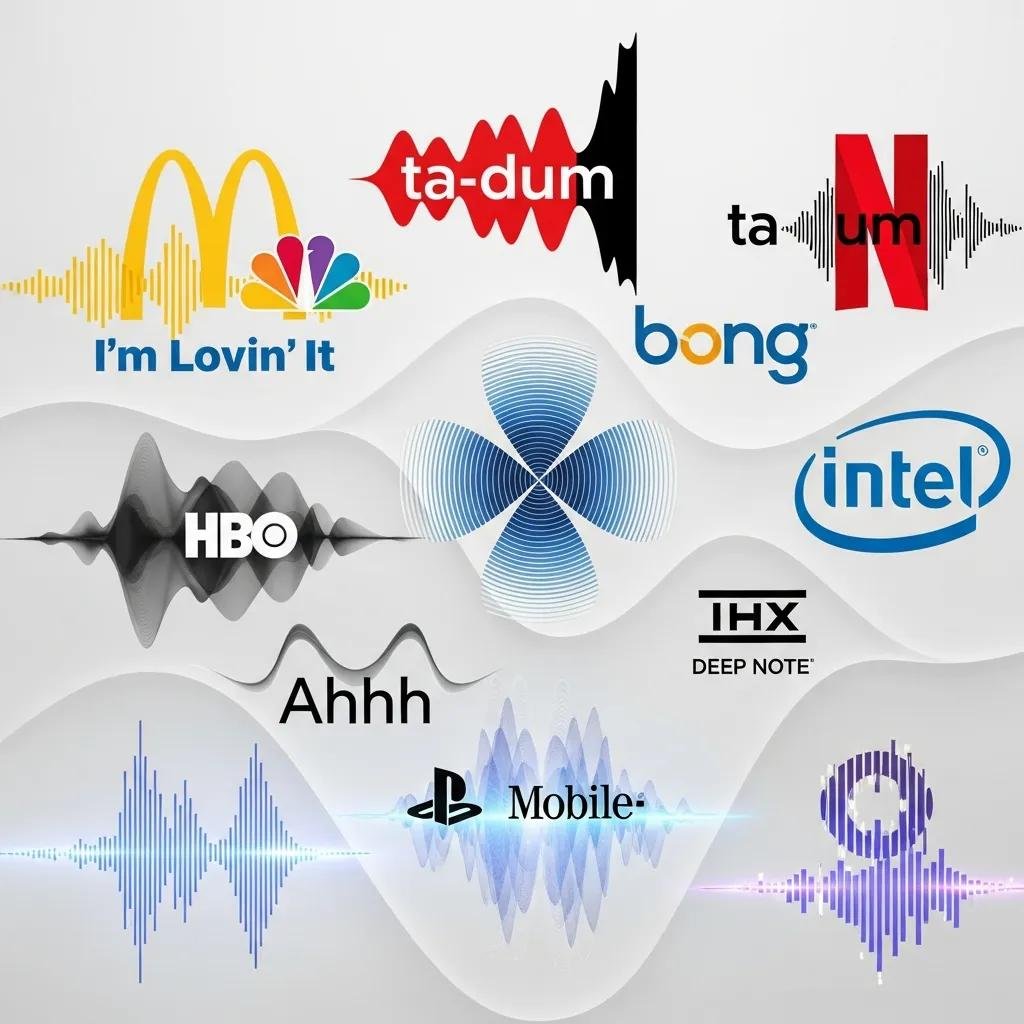
A memorable sonic logo is brief, harmonically simple, and crafted with a precise melodic contour that listeners can recall after a single exposure. Musical elements such as intervallic motion, a strong rhythmic anchor, and a distinctive timbre or instrument create a recognizably unique hook. At the same time, brevity ensures applicability across ads, hold music, and app interactions. Production quality matters: clean mixing and consistent mastering let the same logo translate across low-bandwidth voice assistants and high-fidelity broadcast without losing impact. Considering these musical and technical attributes helps designers create sonic logos that reliably trigger brand recall and are resilient across playback environments.
How Does Consistent Sound Build Stronger Brand Identity?
Consistent sound use builds a stronger brand identity by aligning sonic attributes—tempo, instrumentation, voice persona, and production style—with the brand’s visual and verbal schema. A style guide for audio branding that specifies tempo ranges, instrument palettes, voice characteristics, and usage rules ensures that each touchpoint reinforces the same associative network in the listener’s mind. Cross-channel application—ads, on-hold music, in-store audio, and voice assistant prompts—creates repeated pairings that strengthen the brand schema and increase spontaneous recognition. Following a structured audio style guide reduces fragmentation and amplifies the long-term memory benefits of a cohesive sonic identity.
In What Ways Does Audio Branding Create Emotional Connections with Customers?

Audio branding creates emotional connections by using music psychological levers—tempo, mode (major/minor), harmony, and lyrical content—to shape valence and arousal in listeners and align feelings with brand messages. Sound triggers limbic system responses that visual cues alone often cannot, allowing brands to evoke nostalgia, excitement, comfort, or urgency immediately. When sound matches brand personality and messaging, emotional resonance increases trust and predisposes audiences toward purchase and advocacy. These emotional mechanisms are central to building long-term loyalty, which we unpack further below.
Sound evokes emotions through targeted design choices and musical attributes:
- Tempo and rhythm regulate arousal: faster tempos increase energy, slower tempos foster calm.
- Mode and harmony influence valence: major modes tend to feel happier, while minor modes can convey seriousness or sadness.
- Voice tone and lyrical content create personality alignment that strengthens brand empathy.
Design tactics that intentionally invoke a desired emotional state make audio branding a high-leverage tool for influencing consumer behavior, offering practical methods for evoking emotion with sound.
How Does Sound Evoke Emotions to Influence Consumer Behavior?
Sound evokes emotions by manipulating arousal and valence through composition and production, and those emotional states in turn influence decision-making, attention, and memory. For example, upbeat, major-key jingles increase approach behavior and attention, while warm, lower-register voices can convey trustworthiness, reducing perceived risk. Using instrumentation associated with a target demographic or cultural moment increases relevance and can prompt faster cognitive alignment with brand values. Implementing A/B tests that vary tempo, mode, and vocal delivery yields measurable changes in click-through, time-on-page, or conversion rates.
Why Is Emotional Connection Key to Brand Loyalty?
Emotional connection predicts stronger loyalty because customers who feel emotionally tied to a brand are more likely to repeat purchases, forgive occasional service issues, and recommend the brand to others. Studies and brand-lift measurements consistently show that emotionally engaged customers deliver higher lifetime value and lower churn, and audio is uniquely positioned to deepen those bonds through repeated, evocative cues. Tracking metrics such as Net Promoter Score changes, repeat purchase rates, and brand recall in post-exposure surveys can quantify the impact of new audio elements on loyalty. Designing audio strategies with loyalty metrics in mind turns sonic identity from a feel-good asset into a measurable business lever.
How Can Audio Branding Differentiate Your Business in a Crowded Market?
Audio branding differentiates by providing an original sensory signature that separates a brand from category noise and signals distinctiveness before any visual or textual information is processed. Unique sonic identity can convey professionalism, innovation, or heritage instantly. When paired with rights-managed jingles or slogans, it becomes a protectable element of IP that competitors cannot easily replicate. For decision-makers, mapping assets to differentiation outcomes clarifies what to commission—short sonic logos for app prompts, full jingles for broadcast campaigns, or slogan-driven musical motifs for retail environments. This asset-to-outcome view helps prioritize investment and protects distinctiveness over time.
Below is a comparison mapping sonic assets to their differentiation value to guide choices:
This table shows how selecting the right asset type maps directly to specific perceptual outcomes, guiding strategic commissioning of audio creative. The following subsection explains how a unique identity supports competitive advantage in practice.
What Role Does Unique Sonic Identity Play in Competitive Advantage?
A unique sonic identity plays a strategic role by signaling brand attributes instantly and creating habitual recognition that makes the brand the default choice in noisy markets. Perceptual outcomes—professionalism, trust, or modernity—are quickly encoded when sonic identity aligns with visual branding and messaging, shortening the time it takes consumers to interpret brand promises. Strategic deployment across discovery and conversion touchpoints increases the chance that consumers will choose your brand under pressure, giving an edge in categories where product differences are subtle. Establishing a governable sonic identity also helps protect and license audio assets as part of broader brand IP strategies.
How Do Custom Jingles and Slogans Set Brands Apart?
Custom jingles and slogans set brands apart by combining memorable melodies with concise verbal hooks that communicate value propositions in an earworm format. A well-crafted jingle integrates lyrical messaging—brand promise, tagline, or call to action—with melody to enhance recall and persuasion. At the same time, short sonic slogans or chimes provide quick identification in digital and voice-first experiences. Creative briefs for jingles should specify target emotion, key message points, length, and rights usage to ensure originality and legal clarity. When used strategically, jingles elevate perceived uniqueness and create long-term recall advantages that outlast single campaigns.
What Is the Impact of Audio Branding on Customer Loyalty and Engagement?
Audio branding impacts loyalty and engagement by creating consistent sensory cues that invite habitual interactions and by using audio-driven CTAs that increase immediate engagement. Sound cues like notification tones, on-hold messaging, and in-app confirmations form habit loops that reduce friction and increase repeat usage. Measuring changes in engagement metrics—session length, repeat visits, CTR on audio-activated ads—shows how sonic assets translate into behavioral outcomes. Applying these tactics across lifecycle moments strengthens relationships and turns passive listeners into active customers.
Sound builds trust and repeat business through predictable, soothing, or professional audio cues that reassure users during service moments and make interactions feel well-produced. For example, a clear, pleasant hold message with brand-reinforcing music reduces perceived wait time and preserves goodwill, while a confident voiceover in product videos increases purchase intent. Testing variants of voice timbre and background music in controlled experiments provides robust evidence of what drives repeat behavior. The following subsection lists the audio elements most likely to raise engagement and how to prioritize them in testing.
How Does Sound Build Trust and Repeat Business?
Sound builds trust by signaling competence and care, with qualities like warm vocal delivery, consistent sonic palettes, and high production values conveying reliability. Trust-building audio often uses lower-frequency timbres, measured pacing, and clear enunciation to convey authority without being aggressive. Repeated auditory cues at key moments—such as purchase confirmation sounds, helpful voice prompts, and branded hold music—create ritualized experiences that increase comfort and reduce abandonment. Monitoring repeat purchase rates and customer satisfaction after implementing these cues validates the trust-building effect.
Which Audio Elements Drive Higher Customer Engagement?
Prioritize audio elements that directly affect attention and action, and systematically test them to measure uplift. Key elements include voice persona, melodic hooks, tempo, and placement timing; these can be A/B tested to find combinations that boost click-through rates and conversions. Below is a practical list of prioritized audio elements for testing, along with their rationale.
- Voice Persona: Distinct voices increase recognition and trust.
- Melodic Hook: Short motifs raise recall and ad effectiveness.
- Tempo and Rhythm: Drive arousal and urgency for calls to action.
Using this prioritized testing approach helps teams allocate production resources to the elements most likely to move engagement metrics, and continuous iteration ensures ongoing improvement.
How Does Audio Branding Deliver Tangible ROI and Increase Sales?
Audio branding delivers tangible ROI by improving campaign effectiveness, increasing ad recall, and raising conversion rates when sound is aligned with messaging and tracked with appropriate KPIs. Recent studies and campaign analyses demonstrate measurable uplifts in attention and purchase intent when sonic signatures are present, and brands often see incremental revenue from higher ad memorability and stronger brand associations. Measuring ROI requires a mix of short-term campaign metrics (CTR, view-through rates, conversion lift) and longer-term brand metrics (awareness, recall, NPS), plus attribution models that isolate audio contributions in multichannel campaigns. Structured measurement plans turn creative audio investments into predictable revenue drivers.
This EAV-style comparison clarifies how different assets map to business metrics. Next, specific statistics that demonstrate revenue and attention uplifts provide empirical grounding for ROI estimates.
What Statistics Demonstrate Audio Branding’s Effect on Revenue?
Recent research and industry case studies show consistent gains: audio-anchored campaigns produce higher recall, increased attention, and measurable lift in purchase intent when compared to silent or non-branded audio treatments. For example, controlled ad tests often report double-digit percentage increases in aided recall and modest to substantial lifts in conversion depending on channel and baseline engagement. Interpreting these statistics requires context—audience, channel, and creative quality all mediate outcomes—so forecasts should use conservative and optimistic uplift bands. The table above helps translate those percentage ranges into asset-specific budgeting and forecasting expectations.
How Do Audio Branding Services Boost Perceived Brand Value?
Professional audio branding elevates perceived brand value by signaling quality and care; high-production jingles and bespoke voiceovers suggest a premium experience that can justify higher pricing or stronger positioning. Practical audio aligns with product positioning—luxury brands often use sparse, spacious audio palettes, while value brands may use upbeat, accessible hooks—thereby reinforcing price and quality cues. Packaging audio assets into campaign-ready deliverables (ad cuts, loopable stings, voiceover masters) ensures consistency and supports premium messaging. For brands focused on conversion, commissioning audio commercials and targeted jingles is a direct way to improve perceived value and conversion outcomes, and firms with experience producing revenue-focused audio assets can accelerate time-to-impact.
In many cases, specialists such as Sound Branding Ideas offer services such as jingle creation, slogan writing, custom voiceovers, and audio commercials specifically intended to support revenue-focused campaigns and lead generation. Their emphasis on 100 percent original audio and experienced musical leadership provides a way to obtain bespoke assets designed to drive measurable uplift. If your team needs production that aligns audio strategy with conversion metrics, contacting a specialist for a consult can clarify expected ROI and next steps.
How Does Audio Branding Enhance User Experience and Accessibility?
Audio branding enhances user experience and accessibility by providing alternative sensory cues that aid navigation, comprehension, and emotional comfort for diverse audiences. Inclusive sound design considers speech clarity, adjustable volume, captioning alternatives, and redundant cues (visual + audio) to ensure messages reach users with sensory differences and varying contexts. Cross-platform implementation—web, mobile apps, IVR, and voice assistants—requires consistent sonic palettes while adapting mixes and durations to fit technical constraints. Thoughtful audio increases usability and reach while also supporting legal and UX best practices for inclusive design.
This table highlights how specific choices deliver tangible UX improvements and expanded reach. The following subsection explains why these inclusive choices matter for brand reach.
Why Is Inclusive Sound Design Important for Brand Reach?
Inclusive sound design matters because it expands the addressable audience, reduces frustration for users with sensory differences, and aligns with modern UX expectations and regulatory guidance. Features such as captioned audio, alternative visual cues, and adjustable volume ensure that branding messages and transactional communications are accessible to a broader audience. Inclusive design also improves overall experience metrics—lower abandonment, higher task completion—which benefits conversion and reputation. Prioritizing accessibility in audio design creates broader market reach and safeguards against unintended exclusion.
How Does Audio Improve Customer Interaction Across Platforms?
Audio improves cross-platform interaction by providing consistent recognition cues while adapting to each platform’s constraints—short stings for voice assistants, longer musical beds for in-store environments, and scripted voiceovers for ad spots. Implementation checklists include file format variants, loudness normalization targets, and fallback visual cues to ensure a consistent user experience. Measurement methods for cross-platform audio include task completion rates, in-app engagement, and branded recall surveys that capture cross-channel recognition. Planning audio assets with platform-specific deliverables ensures coherent brand experiences and measurable improvements in interaction metrics.
What Are the Future Trends in Audio Branding for Business Growth?
Future trends in audio branding center on AI-driven personalization, generative sound design, and deeper integration with voice platforms and smart speakers, enabling dynamic, context-aware sonic experiences. Brands can use data to tailor audio—location-based stings, user-preference-driven playlists, or real-time voice tones—while governance frameworks ensure ethical use and voice rights. Investing in modular sonic assets and testing generative prototypes now prepares brands to leverage these capabilities as they scale across channels. The following list highlights key trends marketers should monitor and adopt strategically.
- Generative audio for scalable, personalized soundscapes that adapt to context and user data.
- Voice cloning and synthetic voice options for consistent voice personas across languages and platforms.
- Real-time personalization through data-driven audio templates to increase relevance.
Tracking these trends and piloting small experiments positions brands to capture early advantages and informs long-term audio investment strategy, which we outline in the following subsections.
How Will Voice Technology and AI Shape Sonic Branding?
Voice technology and AI will enable on-demand audio asset generation, dynamic personalization, and automated optimization of sonic elements based on real-time performance metrics. Generative audio can produce variations of a sonic logo tailored to regions, campaign tones, or individual user preferences, while AI-driven testing shortens iteration cycles and surfaces effective combinations faster. Ethical governance—consent for voice cloning, clarity about synthetic voices, and rights management—must be in place as brands experiment. Early adoption through controlled pilots and clear measurement plans is the recommended path to harness these technologies safely.
Why Is Personalization Key in Modern Audio Branding Strategies?
Personalization increases relevance by aligning audio cues with individual context, which improves attention and conversion; examples include personalized on-hold messages, location-aware in-store music, and user-preference-driven app sounds. Data-driven personalization requires privacy-conscious design and opt-in strategies, as well as modular audio assets that can be recombined without losing brand consistency. Measuring lift from personalization uses cohort tests and attribution models to quantify incremental value. Brands that balance personalized relevance with governance and quality control gain stronger engagement and customer loyalty.
Sound Branding Ideas is a specialist in custom audio branding, offering services such as jingle creation, slogan writing, custom voiceovers, audio commercials, phone tree music, and hold music, with a commitment to 100 percent original audio and lyrics and decades of musical leadership since 1985. Their team of composers and vocal talent focuses on bespoke sonic identities, creating that map to recognition, emotional resonance, differentiation, and conversion objectives. If you are evaluating how audio assets can drive measurable results, consider requesting a consultation with a specialist to align creative production with your KPI targets and rollout plan.
Frequently Asked Questions
What types of businesses can benefit from audio branding?
Audio branding can benefit a wide range of businesses, from retail and hospitality to tech and healthcare. Any organization looking to enhance brand recognition and emotional connection with customers can leverage audio branding. For instance, retailers can use jingles to create memorable shopping experiences, while tech companies can implement sonic logos in their apps to foster brand loyalty. Ultimately, any business aiming to differentiate itself in a crowded market can find value in a well-executed audio branding strategy.
How can I measure the effectiveness of my audio branding efforts?
Measuring the effectiveness of audio branding involves tracking specific key performance indicators (KPIs) such as brand recall, customer engagement, and conversion rates. You can conduct surveys to assess brand recognition before and after implementing audio elements. Additionally, A/B testing different audio assets can reveal which sounds resonate most with your audience. Monitoring metrics like click-through rates and customer feedback will help you understand the impact of your audio branding on overall business performance.
What are some common mistakes to avoid in audio branding?
Common mistakes in audio branding include inconsistent sound across platforms, neglecting the target audience’s preferences, and failing to align audio elements with brand values. Inconsistent audio can confuse customers and dilute brand identity. Additionally, using overly complex or lengthy audio signatures can hinder memorability. It’s crucial to ensure that all audio elements are cohesive, resonate with your audience, and reflect your brand’s personality to create a strong and lasting impression.
Can audio branding be integrated with other marketing strategies?
Yes, audio branding can be seamlessly integrated with other marketing strategies to enhance overall effectiveness. For example, audio elements can complement visual branding in advertisements, social media campaigns, and in-store experiences. Additionally, audio branding can be used in conjunction with content marketing, such as podcasts or video content, to create a cohesive brand experience. By aligning audio with other marketing efforts, businesses can reinforce their messaging and create a more immersive customer journey.
How does audio branding impact customer experience?
Audio branding significantly impacts the customer experience by creating a more engaging, memorable interaction with the brand. Well-designed audio elements can evoke emotions, enhance brand recognition, and improve navigation in digital environments. For instance, pleasant hold music can make waiting times feel shorter, while a recognizable sonic logo can trigger positive associations with the brand. By thoughtfully incorporating audio into customer touchpoints, businesses can foster a more enjoyable and cohesive experience that encourages repeat engagement.
What role does cultural relevance play in audio branding?
Cultural relevance is crucial in audio branding as it ensures that the audio elements resonate with the target audience’s values, preferences, and experiences. Using culturally appropriate sounds, instruments, or musical styles can enhance emotional connections and make the brand more relatable. Additionally, being aware of cultural trends and sensitivities can help brands avoid missteps that could alienate potential customers. By aligning audio branding with cultural context, businesses can create a more impactful and meaningful brand presence.
How can I ensure my audio branding is inclusive and accessible?
To ensure your audio branding is inclusive and accessible, consider implementing features that cater to diverse audiences. This includes using clear voiceovers, providing captioned audio, and offering adjustable volume settings. Additionally, employing multisensory cues—combining audio with visual elements—can enhance understanding for users with sensory differences. Regularly testing your audio branding with various user groups can help identify areas for improvement, ensuring that your audio elements are welcoming and practical for all customers.
Conclusion
Implementing audio branding can significantly enhance brand recognition, emotional connection, and customer loyalty, ultimately driving sales and engagement. By leveraging unique sonic identities and consistent sound strategies, businesses can differentiate themselves in a crowded market and create memorable experiences for their audiences. To explore how tailored audio solutions can elevate your brand, consider reaching out to a specialist for a consultation. Start your journey towards impactful audio branding today.